How apparatus carries force
Trace movement from athlete contact to support. Separate useful compliance from uncontrolled movement and consider the installation as part of the system.
Read the design file →Independent apparatus library / Design to service
Start here / File 01
A gymnast loads a rail, beam or landing surface. The force must travel through a complete system—not just the part in view.
Follow that route through joints, frames, cables, padding and the building interface. Then ask how production preserves the design, what verification actually demonstrates, and who keeps the installed equipment fit for its intended use.
Open the design dossier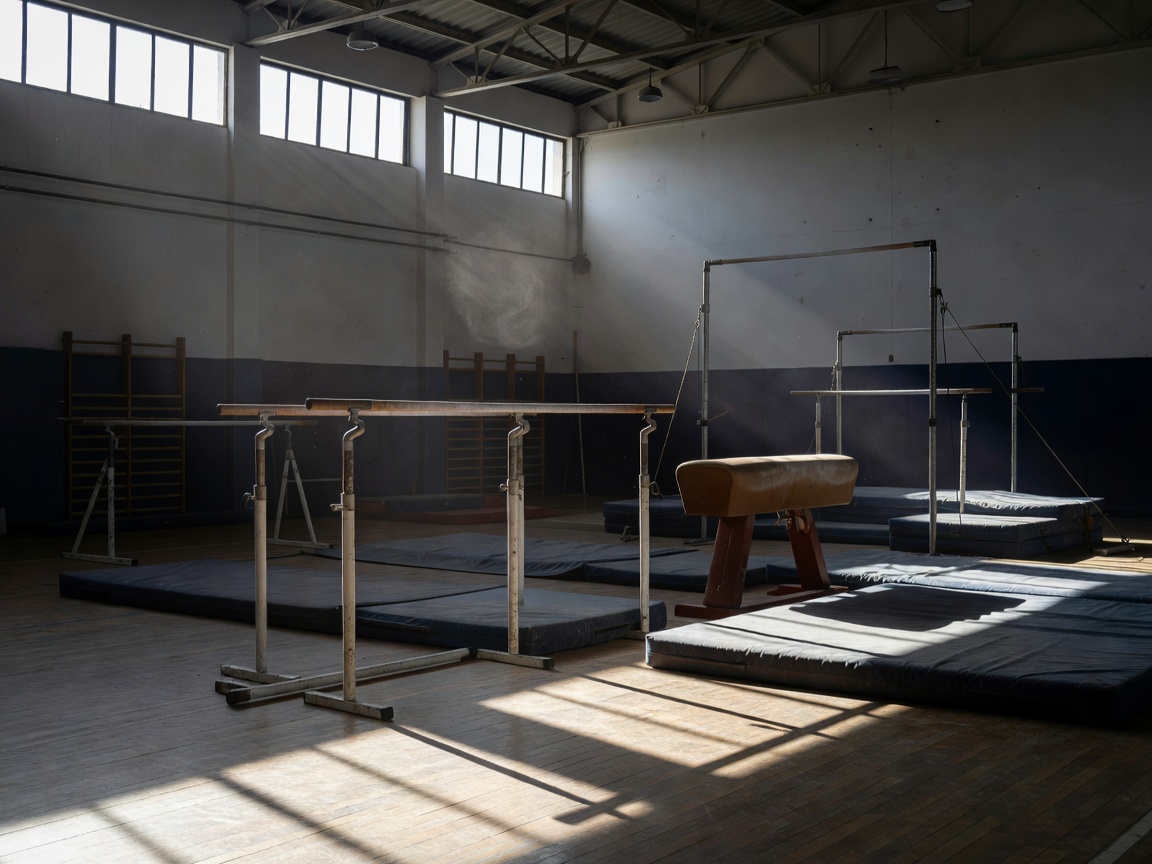
The dossier index
Trace movement from athlete contact to support. Separate useful compliance from uncontrolled movement and consider the installation as part of the system.
Read the design file →Explore steelwork, timber, composite rails, foams and covers—and why tolerances, assembly records and traceability matter together.
Read the production file →Distinguish a standard, a laboratory report, a competition approval and an installation record before relying on a claim.
Read the verification file →Build a practical chain of handover, pre-use checks, competent inspection, defect isolation and documented return to service.
Read the care file →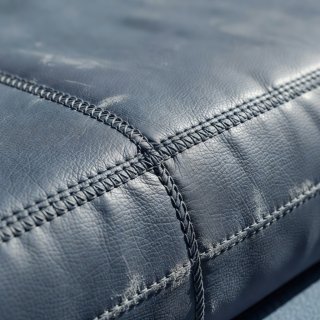
Construction feature
An attractive finish says little about hidden construction. Compare each material with its job and the evidence needed to support that job.
| Material system | Typical contribution | Practical question |
|---|---|---|
| Steel frame and joints | Geometry, stiffness and force transfer | How are joint integrity and corrosion protection controlled? |
| Timber or engineered rail | Grip, elasticity and contact response | Which surface changes require withdrawal or specialist review? |
| Layered foam and cover | Managed deformation and surface continuity | How is the complete mat assembly evaluated and maintained? |
Ownership does not transfer to a certificate. Responsibilities remain distributed across the manufacturer, installer, facility and coaching team.
The facility defines intended users, activities, space, building interfaces and operating conditions.
A competent installer follows the applicable instructions and documents the final configuration and handover.
Staff check the setup before use, control adjustments and remove suspect equipment from access.
Competent inspection, manufacturer guidance and service records inform maintenance and replacement decisions.
Standards and limits
“Tested,” “approved” and “competition specification” answer different questions. Ask which product, which configuration, which requirements and which issuing body the evidence actually covers.
This is independent editorial guidance, not certification, installation instruction or a substitute for qualified inspection. We are not affiliated with FIG, CEN or the manufacturers discussed.
Learn to read verification evidence →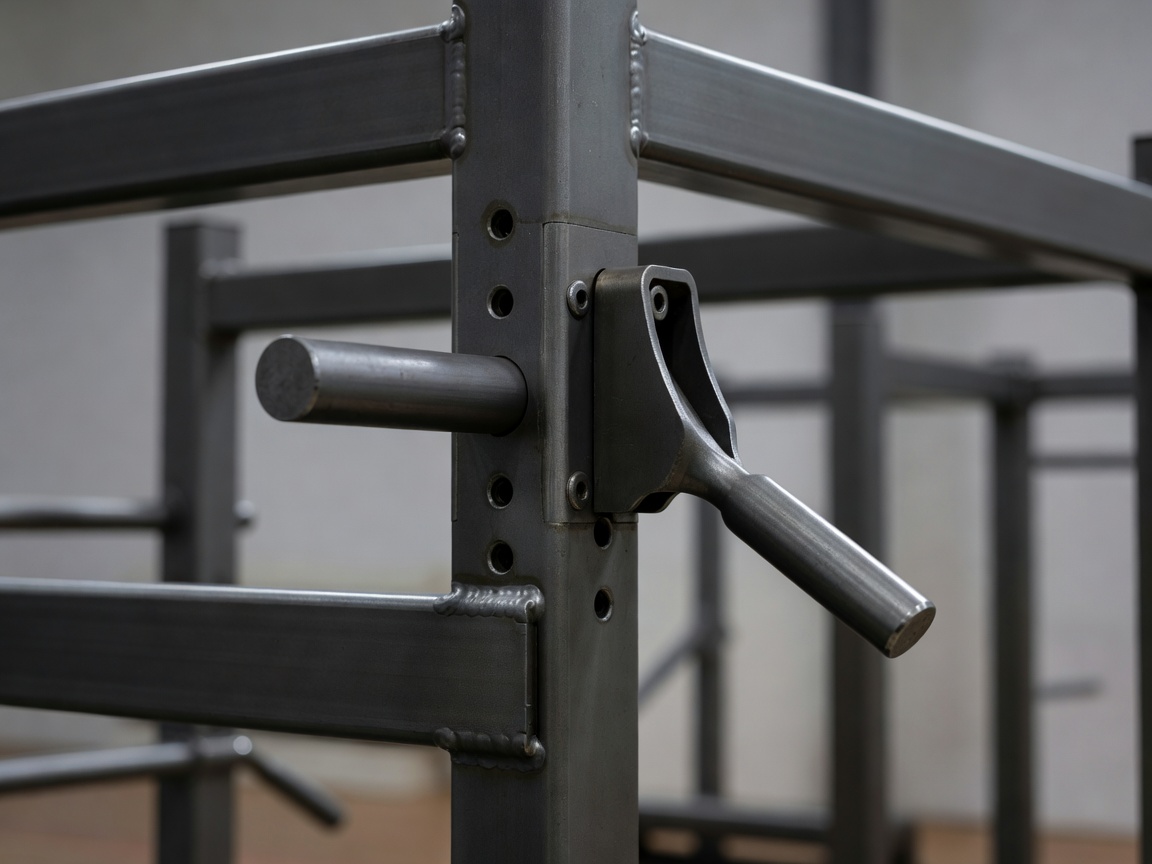
Can a mat thickness establish suitability? Does competition approval cover an old installation? What should happen after an unusual impact? Start with the FAQ, or prepare a precise apparatus enquiry for your own records.
Cookies on this site Essential cookies keep this site working. Optional ones help us see what is useful. You can change your choice at any time. More about cookies